
Run Better HVAC Service Calls Without Feeling Salesy
TechTrainer HVAC is a training brand that helps HVAC service technicians build trust, ask better questions, document findings clearly, explain options with confidence, and guide homeowners to the right next step — without sounding pushy or scripted.
The Perfect Service Call Framework gives you a practical process for leading the call from the first impression to the final wrap-up, while still using your own personality and communication style.
Built by Dane Burkenpas from real HVAC field experience in installation, service, sales, and customer communication.
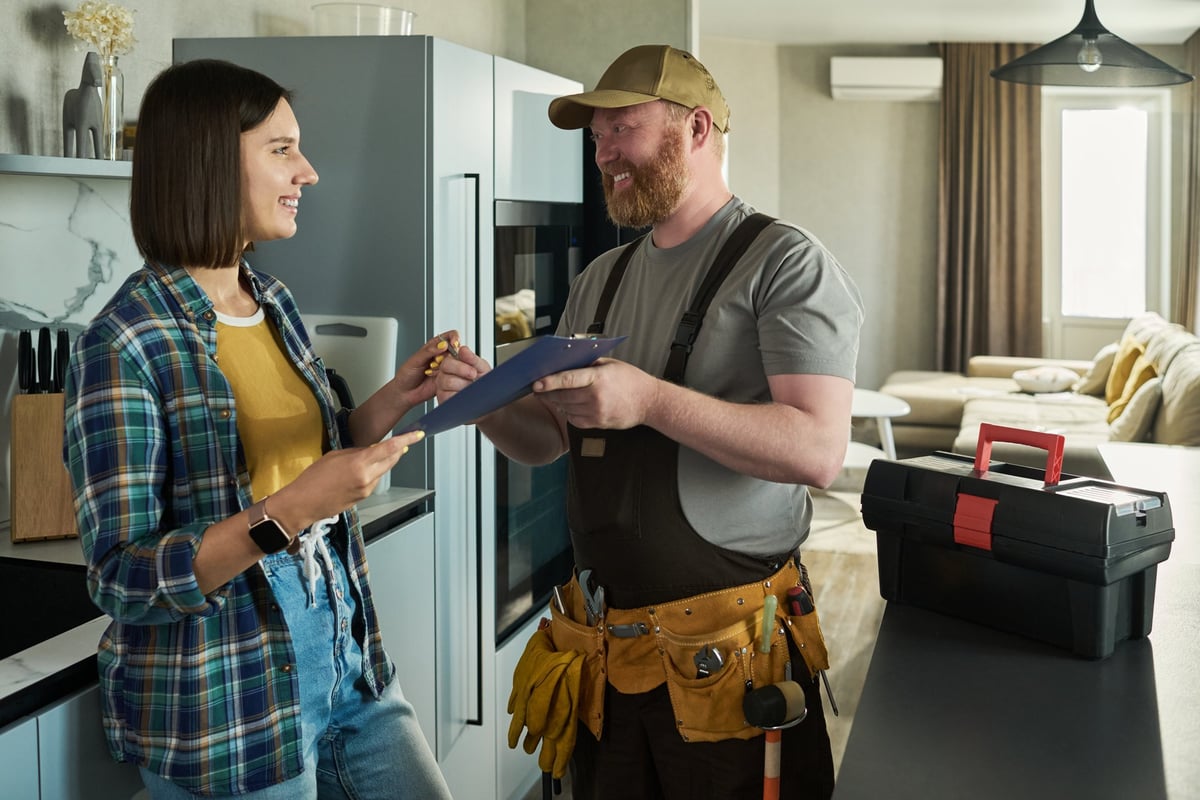
Most Techs Are Told to Sell More — But Not Shown How to Communicate Better
A lot of technicians are expected to find opportunities, explain repairs, offer maintenance, bring up IAQ, create replacement leads, and ask for reviews. But most of the time, they are not given a clear process for how to actually have those conversations.
That can make service calls feel awkward. You may know what the system needs, but explaining it to the homeowner in a way that feels clear, helpful, and not pushy can be the hard part. The Perfect Service Call Framework gives you a step-by-step process so you can lead the call with confidence, communicate your findings clearly, and help the homeowner understand their options.
Awkward Sales Pressure
Being told to "sell more" without a clear process can make conversations feel forced, uncomfortable, or unnatural.
Hard-to-Explain Findings
You may understand what is wrong with the system, but explaining it in simple homeowner-friendly language can be challenging.
Unclear Next Steps
Without a repeatable process, it can be hard to know how to move from diagnosis to repair options, maintenance, IAQ, replacement, or final wrap-up.

A Service Call Process That Helps You Sound More Confident, Not More Salesy
The Perfect Service Call Framework is designed to help technicians communicate better, not pressure harder.
Instead of giving you robotic scripts to memorize, it gives you a clear structure for what to do before, during, and after the call.
You will learn how to set expectations, ask better questions, inspect and document clearly, explain findings in plain language, present options professionally, handle homeowner hesitation, and wrap up the call with confidence.
See What You'll LearnWhat Technicians Learn Inside the Framework
This training walks through the full service call from the first impression to the final review request, with practical steps you can use in real homes.
How to Start the Call Before You Arrive
Use pre-arrival communication to confirm the visit, lower customer anxiety, and create a more professional first impression.
How to Greet the Homeowner and Set Expectations
Enter the home with confidence, explain what you are going to do, and make the customer feel comfortable with the process.
How to Ask Better Discovery Questions
Uncover comfort concerns, system history, hot or cold rooms, repair frustrations, air quality concerns, and what matters most to the homeowner.
How to Document Findings Clearly
Use photos, notes, and simple explanations to help the customer understand what you found and why it matters.
How to Present Options Without Pressure
Organize recommendations into clear choices so the homeowner can make an informed decision without feeling pushed.
Repair vs Replacement Conversations
Know when replacement should be part of the conversation and how to bring it up in a calm, professional way.
Handle Objections and Hesitation
Respond to "I need to think about it," "I want another quote," or "that seems expensive" without getting defensive or awkward.
How to Finish the Call Professionally
Summarize the findings, confirm the next step, ask for the review when appropriate, and leave the homeowner feeling respected.
Practical Tools You Can Actually Use in the Field
The training system includes tools designed to help technicians apply the framework in real service calls, not just read about it once and forget it.
Masterclass Training Deck
A step-by-step training presentation that walks through the full service call process from pre-arrival to final wrap-up.
Technician Workbook
Reflection prompts, action steps, and practice exercises to help you apply the framework to real customer situations.
Script Swipe File
Homeowner-friendly phrases for greetings, questions, presenting findings, objections, maintenance, IAQ, tech flips, and review requests.
Manager Implementation Guide
A practical guide for owners and service managers on how to introduce, reinforce, and coach the framework with their team.
Perfect Service Call Checklist
A simple checklist technicians can use before, during, and after calls to stay organized and consistent.
Technician Action Card
A compact field reference card that helps you remember the core service call flow and key language during daily calls.
Technician Quick Reference
A simplified at-a-glance reference covering the main steps, phrases, and reminders for the full service call process.
Manager Scorecards & Tracking Sheets
Tools for service managers to track technician progress, score service calls, and identify coaching opportunities.
License & Internal-Use Terms
Clear licensing that allows your company to use the system internally for training, coaching, and team development.
You do not have to memorize every script. Use the language as a guide, then make it sound natural to you.
A Clear Process for the Whole Service Call
The framework gives you a structure to follow from the moment you are assigned the call to the moment you leave the home.
Pre-Arrival Experience
How to create a stronger first impression before you arrive.
Door Greeting & Setting Expectations
How to introduce yourself, set the tone, and explain the visit.
Performing the Inspection
How to inspect consistently and document what you find.
Presenting Findings & Framing Options
How to explain problems, risks, and options in homeowner-friendly language.
Tech Flip & Comfort Advisor Hand-Off
How to recognize when replacement should be discussed and create a clean next step.
Soft Skills & Optional Improvements
How to use tone, body language, IAQ conversations, maintenance, and accessory recommendations without pressure.
Final Wrap-Up & Review Request
How to summarize the call, confirm the next step, and ask for the review professionally.
Owner / Manager Implementation
How your company can reinforce the process through meetings, checklists, and coaching.
Better Communication Makes the Whole Call Easier
When you have a clear process, you do not have to wing every conversation. You know how to start the call, what questions to ask, what to document, how to explain what you found, and how to guide the customer toward a clear decision. That helps the homeowner trust you, and it helps you feel more confident during the parts of the call that usually feel uncomfortable.
Less Awkward Conversations
Know how to bring up options, maintenance, IAQ, or replacement without feeling like you are forcing it.
More Confidence
Lead the call with a clear process instead of guessing what to say next.
Better Customer Trust
Help homeowners feel informed, respected, and comfortable with your recommendations.
Stronger Documentation
Use photos and notes to make your findings easier to explain and easier to support.
Cleaner Handoffs
Create better next steps when a repair, replacement consultation, maintenance plan, or follow-up is needed.
More Professional Final Impressions
End the call clearly, answer final questions, and leave the customer feeling taken care of.
This Is Not About Turning You Into a Pushy Salesperson
The Perfect Service Call Framework is not about tricking homeowners, creating fake urgency, or forcing people into decisions. It is about helping you communicate what you already see in the field more clearly. When you document real findings, explain them in plain language, and organize options professionally, the homeowner can make a more informed decision — and you do not have to pressure them.
No Robotic Scripts
Use the scripts as examples and frameworks, not word-for-word lines you have to memorize.
No Fake Urgency
Explain real findings and real risks calmly without exaggerating or fear-based pressure.
No One-Size-Fits-All Personality
The framework gives you structure while still allowing you to sound like yourself.
Built Around Real Conversations, Not Classroom Theory
The training includes field-ready language for common moments technicians face on service calls.
Setting Expectations
“"I'm going to take a full look at the system, document what I find, and then I'll walk you through your options clearly before anything is done."”
Presenting Findings
“"Here's what I found, here's what it means, and here are the options I'd recommend based on the condition of the system."”
Repair vs Replacement
“"We can absolutely look at the repair. I also want to show you what replacement may look like so you can compare both paths before making a decision."”
Review Request
“"If you feel I took good care of you today, a quick review really helps our company and helps other homeowners know who they can trust."”
Frequently Asked Questions
Do I have to sound scripted?+
No. The scripts are meant to give you structure and examples, not force you to memorize every word. The goal is to help you communicate naturally and confidently.
Is this just sales training?+
No. This is service call training. It covers communication, documentation, inspection, presenting findings, soft skills, repair conversations, replacement handoffs, maintenance, IAQ, final wrap-ups, and review requests.
What if I do not like selling?+
This framework is built for that exact reason. It helps you present real findings and clear options without feeling like you are pressuring the homeowner.
Can experienced technicians still benefit from this?+
Yes. Experienced technicians can use it to sharpen communication, organize recommendations, improve documentation, and make uncomfortable conversations easier.
Will this help me with objections?+
Yes. The training includes language and structure for handling common hesitation like price concerns, getting other quotes, needing to think about it, or wanting to delay the decision.
Is this only for replacement leads?+
No. It covers the full service call experience, including repairs, maintenance, IAQ, optional improvements, documentation, final summaries, and replacement conversations when appropriate.
Run Cleaner Calls With More Confidence
The Perfect Service Call Framework gives HVAC technicians a clear process for leading the call, explaining findings, presenting options, and finishing professionally — without pressure selling or robotic scripts.