
Coach a More Consistent HVAC Team From the Office to the Field
TechTrainer HVAC gives service managers practical training systems for coaching technician communication, service call consistency, dispatch handoffs, documentation, customer conversations, and replacement opportunities. Instead of relying on scattered feedback or personality-based coaching, managers get repeatable tools they can use with CSRs, technicians, comfort advisors, and the wider service team.
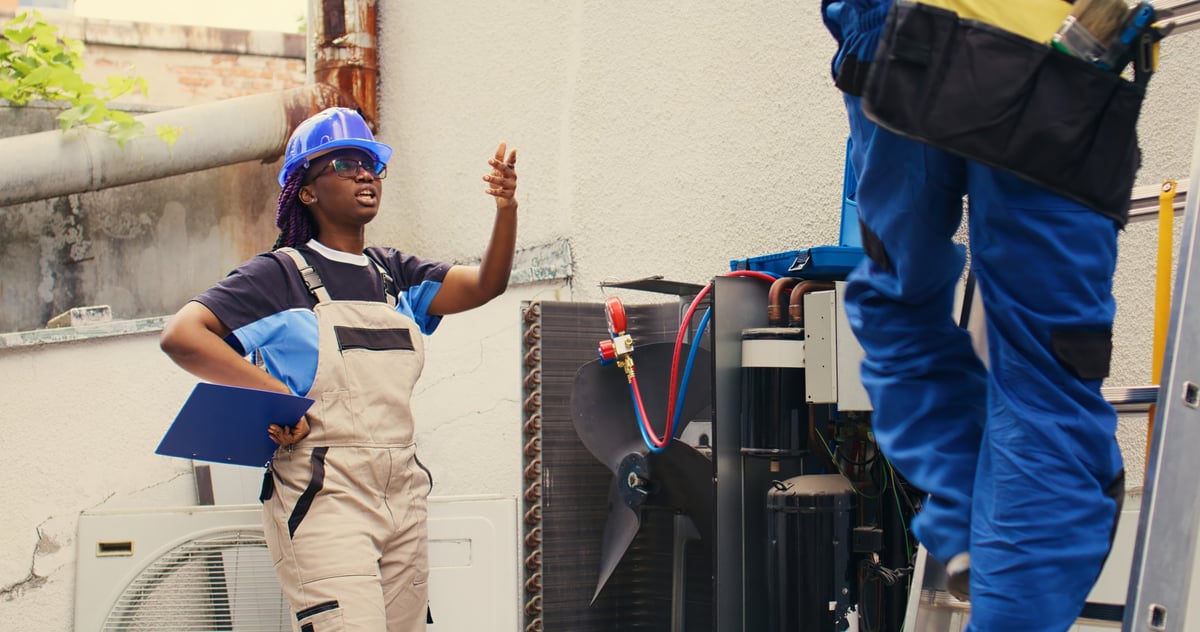
It's Hard to Coach Communication Without a Shared Process
Most service managers can tell when a call did not go well. The technician may have rushed the explanation, missed important documentation, failed to set expectations, avoided a replacement conversation, or left the homeowner confused.
The problem is that feedback often becomes vague: "Communicate better." "Take better pictures." "Build more value." "Explain things more clearly." That kind of feedback may be true, but it does not give the technician a repeatable process to follow. TechTrainer HVAC helps service managers turn vague expectations into practical training tools, scorecards, call flows, scripts, and coaching standards.
Without a Shared Training System
- ✕Technicians run calls differently
- ✕CSRs send vague dispatch notes
- ✕Managers coach from personal preference
- ✕Communication feedback feels unclear
- ✕Replacement handoffs are inconsistent
- ✕Documentation standards vary by technician
- ✕New team members are harder to onboard
With TechTrainer HVAC
- CSRs follow a better booking process
- Technicians use a repeatable service call framework
- Comfort advisors receive cleaner handoffs
- Managers have scorecards and coaching tools
- Communication expectations are easier to explain
- Documentation and option presentation become more consistent
- The company creates a better customer experience
What Service Managers Can Coach With TechTrainer HVAC
Technician Communication
Coach technicians on greetings, discovery questions, explaining findings, presenting options, and setting clear expectations.
Service Call Consistency
Give technicians a repeatable call flow so every homeowner receives a more consistent experience.
Documentation & Photos
Reinforce better notes, clearer findings, stronger photo documentation, and cleaner job records.
CSR-to-Technician Handoffs
Use the CSR Booking System to help the office ask better questions and give technicians better dispatch notes.
Replacement Handoffs
Help technicians create cleaner transitions when replacement may make more sense than repair.
Ride-Alongs & Scorecards
Use coaching sheets, scorecards, and review tools to make feedback more specific and actionable.
Training Systems That Support Service Managers
Complete Team System
The best option for managers who want one training ecosystem for CSRs, technicians, comfort advisors, and management coaching.
Learn moreFull Service Call System
The technician-focused system for improving service call communication, documentation, presenting findings, and homeowner trust.
Learn moreCSR Booking System
The office training system for better intake questions, clearer expectations, dispatch notes, and office-to-field handoffs.
Learn moreComfort Advisor System
The replacement consultation system for better discovery, option presentation, financing conversations, and objection handling.
Learn moreStarter Checklist Bundle
A quick-use printable toolkit for service call checklists, communication prompts, scorecards, coaching sheets, and follow-up tools.
Learn moreBuilt for Real Service Department Coaching
TechTrainer HVAC is not a live coaching membership or complicated management program. It is a practical digital training system service managers can use during meetings, onboarding, ride-alongs, roleplay, slow seasons, weekly training, and one-on-one coaching.
The goal is simple: help managers coach better habits before problems show up in reviews, callbacks, missed opportunities, or customer confusion.
Team Meetings
Review one section, script, or checklist during weekly service meetings.
Onboarding
Give new technicians a clear structure before inconsistent habits form.
Ride-Alongs
Use scorecards and coaching sheets for more specific observation and feedback.
One-on-One Coaching
Reference a shared standard instead of personal preference when coaching individuals.
Frequently Asked Questions
Is this only for service managers?
No. The page is written for service managers, but the systems can also be used by owners, GMs, lead technicians, dispatch managers, trainers, and anyone responsible for team consistency.
Does this help with technician communication?
Yes. The Full Service Call System gives managers a framework for coaching technician communication, documentation, option presentation, homeowner education, and handoffs.
Does this include CSR and comfort advisor training?
The Complete Team System includes the CSR Booking System, Full Service Call System, Comfort Advisor System, Starter Checklist Bundle, and internal-use license terms.
Is this a coaching membership?
No. TechTrainer HVAC products are self-guided digital training systems. There are no live coaching calls required, no membership requirement, and no long-term commitment.
Which product should a service manager start with?
Choose the Complete Team System if you want tools for the office, technicians, comfort advisors, and management coaching. Choose the Full Service Call System if your main focus is technician service calls.
Ready to Coach a More Consistent HVAC Team?
Give your service department practical tools for better communication, documentation, handoffs, service call consistency, and team coaching.
Practical digital training systems — no membership, no live coaching calls, no long-term commitment.